
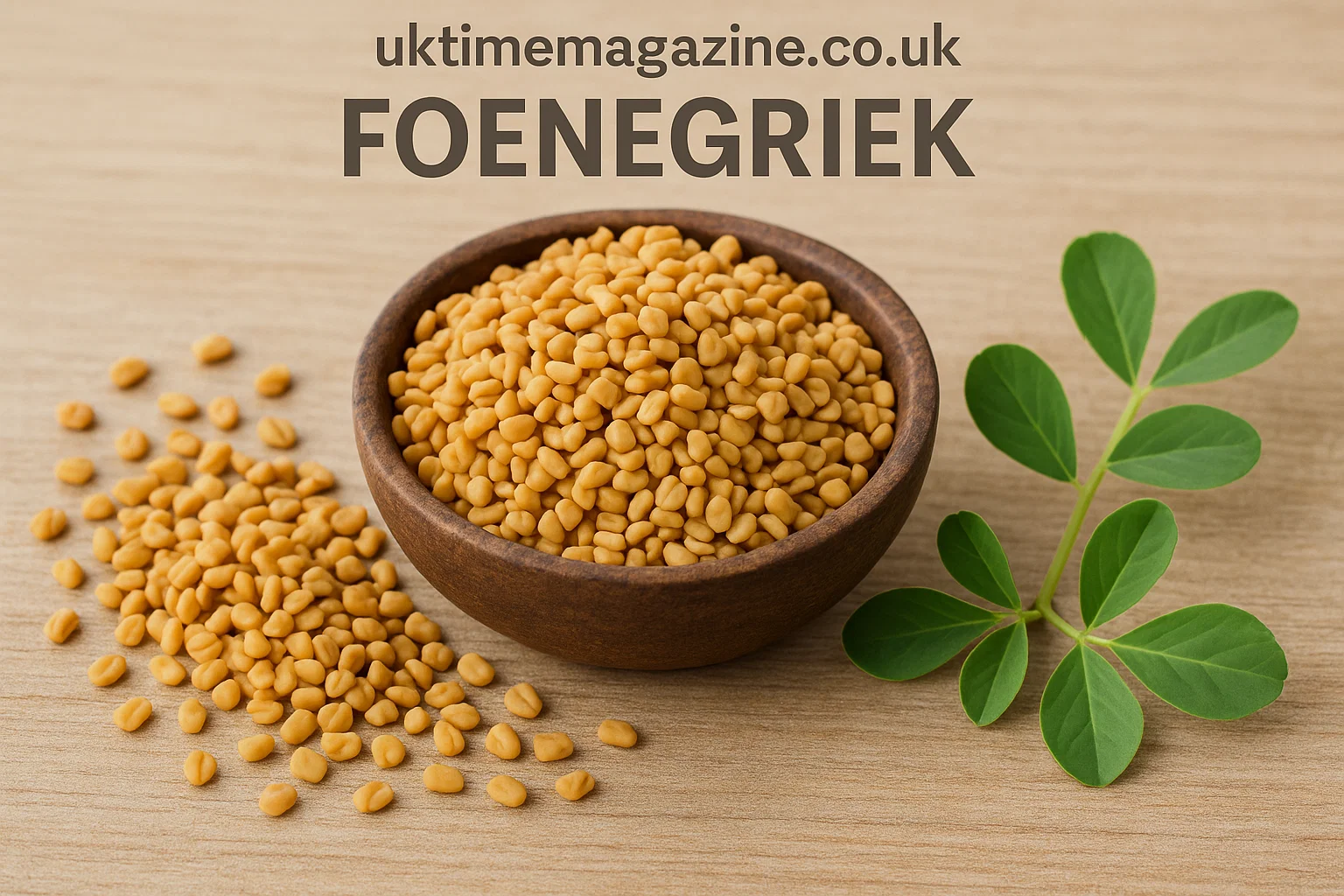
Introduction to Foenegriek
Foenegriek, also known as Fenugreek or Methi, is a versatile herb that has been valued for centuries for its unique combination of flavor, nutrition, and medicinal properties. The seeds and leaves of Foenegriek are widely used as a culinary ingredient to enhance the taste and aroma of various dishes, and they also provide substantial nutritional benefits. The herb has a distinct sweet-nutty flavor with slightly bitter undertones and a maple-like aroma that is prized in many cuisines, including Indian, Middle Eastern, and North African cooking. Beyond its culinary uses, Foenegriek is highly regarded for its health benefits, which include supporting digestion, blood sugar balance, heart health, and hormonal regulation. Traditionally, it has been used in Ayurveda, Unani, and folk remedies, making it a valuable herb both in ancient and modern contexts.
Botanical Overview and Origin
Foenegriek, scientifically known as Trigonella foenum-graecum, belongs to the Fabaceae family and is closely related to legumes. It is an annual plant that grows well in sunny climates and well-drained soils, commonly cultivated in the Mediterranean region, South Asia, and parts of North Africa. Both the seeds and the tender leaves are used in culinary preparations, with the seeds being more prominent in spice blends, pickles, and herbal teas. The leaves are often incorporated into flatbreads, curries, and vegetable dishes to provide flavor and nutritional value. Foenegriek has been cultivated for thousands of years and has a long-standing history in traditional medicine, making it both a food and a therapeutic herb. The cultivation of this plant requires careful attention to soil quality, sunlight, and water, as these factors affect the flavor, aroma, and nutritional content of the seeds and leaves.
Nutritional Profile of Foenegriek
Foenegriek is a nutrient-dense herb that offers a wide range of dietary benefits. Its seeds and leaves contain high amounts of soluble fiber, proteins, and essential minerals, including iron, magnesium, calcium, and manganese. The herb also contains bioactive compounds such as saponins and flavonoids, which contribute to its antioxidant and anti-inflammatory properties. A 100-gram serving of Foenegriek seeds provides approximately 25 grams of fiber, 23 grams of protein, 33 milligrams of iron, 191 milligrams of magnesium, and 176 milligrams of calcium. These nutrients make Foenegriek a valuable addition to a balanced diet, supporting digestion, cardiovascular health, metabolic function, and overall wellness. The presence of phytochemicals further enhances its health-promoting potential by protecting cells from oxidative stress and inflammation.
Health Benefits of Foenegriek
Foenegriek has multiple health benefits that make it a valuable herb for modern lifestyles. Its high fiber content aids in digestive health, promoting regular bowel movements and reducing bloating. The seeds can be soaked or brewed into tea to provide gentle relief for digestive discomfort. In addition, Foenegriek supports blood sugar management by improving insulin sensitivity and is commonly used to help manage type 2 diabetes naturally. The herb also contributes to heart health by helping regulate cholesterol levels and providing anti-inflammatory support. Foenegriek has been traditionally used to enhance lactation, helping nursing mothers increase breast milk production. Furthermore, it plays a role in men’s health by supporting testosterone levels, energy, and metabolic balance. Overall, the herb is a natural way to maintain health, vitality, and well-being while offering essential nutrients and bioactive compounds.
Culinary Uses of Foenegriek
Foenegriek is highly valued in culinary traditions for its unique flavor and aroma. The seeds and leaves are used in a wide variety of dishes, including curries, dals, pickles, flatbreads such as methi paratha, and spice blends. The seeds can be toasted, ground, or soaked to release their full flavor, while the leaves are often added fresh or dried to enhance dishes. Its sweet-nutty flavor combined with slightly bitter notes adds depth to both vegetarian and meat-based recipes. Foenegriek is particularly popular in Indian cuisine, where it is used in curries and spice mixes, as well as in Middle Eastern and North African dishes where it contributes to stews, sauces, and herbal teas. Beyond flavor, Foenegriek enhances the nutritional value of meals, providing fiber, minerals, and antioxidants that support overall health.
Traditional and Historical Uses
Foenegriek has a long history of use in traditional medicine. Ancient civilizations in Egypt, Greece, and Rome recognized its therapeutic potential, using it to support digestion, metabolism, and overall wellness. In Ayurvedic medicine, Foenegriek is considered a potent herb for balancing bodily functions and addressing inflammation. Unani and traditional Chinese medicine also incorporate Foenegriek for its health-promoting effects, often recommending it for digestive issues, blood sugar control, and lactation support. Folk remedies across cultures have utilized this herb to address various ailments, highlighting its versatility as both a food and a natural therapy. Its continued use in modern herbal practices demonstrates the enduring value of Foenegriek as a holistic health tool.
How to Use Foenegriek in Your Diet
Incorporating Foenegriek into your diet is straightforward and highly versatile. Seeds can be soaked, brewed into tea, or ground into powder for use in spice blends. Fresh or dried leaves can be added to curries, soups, and flatbreads, providing both flavor and nutrition. Foenegriek powder can also be included in sauces, marinades, and dietary supplements to provide concentrated benefits. Using Foenegriek consistently in small amounts ensures a balance between flavor, aroma, and health benefits. Proper preparation, such as soaking or lightly toasting the seeds, enhances digestibility and unlocks the herb’s natural sweetness and nutty taste, making it suitable for a variety of dishes and beverages.
Side Effects and Safety
While Foenegriek is generally safe for consumption, it may cause mild digestive discomfort if used in excessive amounts. Allergic reactions are rare but possible, particularly in individuals sensitive to legumes. People taking medications for diabetes or blood clotting should consult a healthcare professional before using Foenegriek supplements. Responsible use of the herb, including adherence to recommended dosages, ensures that individuals can benefit from its nutritional and medicinal properties without adverse effects. Pregnant or nursing women should also seek professional guidance before incorporating Foenegriek into their diet to ensure safety.
Cultivation and Harvesting
Foenegriek thrives in sunny, well-drained soils and requires moderate water for optimal growth. It is primarily cultivated in the Mediterranean region, South Asia, and parts of North Africa. Seeds are harvested once the plant flowers, while leaves can be collected during various stages of growth. Proper storage of seeds in airtight containers away from moisture and sunlight preserves their flavor, aroma, and nutritional content. The cultivation process affects both the taste and the potency of the herb, making careful agricultural practices essential for producing high-quality Foenegriek. Farmers focus on soil health, water management, and harvesting techniques to maintain the herb’s characteristics and maximize its health benefits.
Flavor Profile and Sensory Experience
The flavor profile of Foenegriek is distinct and versatile. Its seeds have a sweet-nutty flavor with subtle bitterness, while the leaves provide a softer, earthy taste. The herb’s maple-like aroma adds depth to dishes and enhances the sensory experience of cooking. The combination of taste and aroma makes Foenegriek suitable for both traditional and modern culinary applications. Its unique flavor complements a wide range of ingredients, allowing it to blend seamlessly into curries, stews, soups, and flatbreads, while also providing a fragrant note to teas and herbal remedies.
Phytochemicals and Botanical Insights
Foenegriek contains important phytochemicals, including saponins and flavonoids, which contribute to its antioxidant and anti-inflammatory properties. Being part of the Fabaceae family, the herb shares characteristics with other legumes, including high protein content and soluble fiber. These botanical traits make Foenegriek a nutrient-rich addition to meals and a functional herb in traditional medicine. The combination of dietary components and bioactive compounds supports metabolic health, digestion, and cardiovascular function. Its seeds and leaves provide concentrated nutrients that are beneficial when used in cooking or as part of dietary supplementation.
Foenegriek in Modern Health and Supplements
Today, Foenegriek is widely used in dietary supplements and herbal extracts. It is available in capsule, powder, and tea forms, providing convenient options for supporting digestive health, blood sugar balance, and metabolic wellness. Herbal extracts are particularly beneficial for those seeking targeted health outcomes, such as lactation support or hormonal regulation. Proper dosing is important to maximize benefits, and professional guidance is recommended for supplement use. Foenegriek’s inclusion in modern health routines demonstrates its adaptability and continued relevance in contemporary wellness practices.
Practical Tips for Cooking and Use
Cooking with Foenegriek is straightforward, and its flavor can be enhanced through simple techniques. Lightly toasting the seeds before adding them to dishes intensifies the nutty aroma. Fresh or dried leaves can be incorporated into curries, soups, and flatbreads to provide a delicate flavor and nutritional boost. Using powdered Foenegriek in spice blends or sauces ensures even distribution of flavor. Additionally, brewing soaked seeds into tea offers a soothing beverage with health benefits. By following these practical tips, individuals can enjoy both the taste and therapeutic properties of Foenegriek in everyday meals.
Conclusion
Foenegriek is a remarkable herb with extensive culinary, nutritional, and medicinal value. Its seeds and leaves provide essential nutrients, antioxidants, and bioactive compounds that support overall health. The herb has been traditionally used in Ayurveda, Unani medicine, and folk remedies, and it continues to be relevant in modern health and culinary practices. From enhancing the flavor of Indian, Middle Eastern, and North African dishes to supporting digestion, blood sugar balance, and heart health, Foenegriek is a versatile and beneficial addition to daily life. Incorporating this herb into your diet provides both sensory pleasure and lasting health benefits.
FAQs About Foenegriek
1. Is Foenegriek safe for daily consumption?
Foenegriek is generally safe when consumed in moderation. Those with allergies or medical conditions should consult a healthcare professional.
2. How should Foenegriek seeds be prepared for cooking?
Seeds can be soaked, toasted, ground into powder, or brewed into tea depending on the recipe and intended use.
3. What are the main health benefits of Foenegriek?
Foenegriek supports digestive health, blood sugar management, heart function, lactation, and men’s hormonal health.
4. Can fresh leaves of Foenegriek be used in dishes?
Yes, fresh leaves add flavor and nutrition to curries, soups, and flatbreads, while dried leaves can be stored for longer use.
5. Are there any side effects of Foenegriek?
Excessive consumption may cause mild digestive discomfort. Allergic reactions are rare, and individuals on medications should consult a doctor.
