
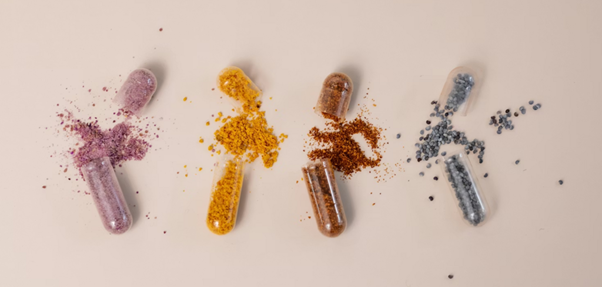
Serrapeptase, a proteolytic enzyme first isolated from the digestive tract of silkworms, has emerged as a subject of interest in integrative health research. While silkworms use this enzyme to dissolve their cocoons during metamorphosis, researchers have explored whether its protein-degrading properties might offer therapeutic applications in humans particularly for inflammation, tissue remodeling, and organ support.
The liver performs over 500 essential functions, from metabolizing nutrients and filtering toxins to regulating blood clotting factors. Any intervention that claims to support liver health warrants careful examination. This article explores the current understanding of serrapeptase’s potential role in liver function, its theoretical impact on candida biofilm disruption, and its application in managing scar tissue formation.
What Is Serrapeptase and How Does It Work?
Serrapeptase belongs to a class of enzymes known as proteases, which catalyze the breakdown of proteins into smaller peptides and amino acids. Originally derived from Serratia bacteria found in silkworm intestines, commercial serrapeptase is now produced through controlled fermentation processes.
Once absorbed into the bloodstream, serrapeptase appears to target non-living tissue including fibrin deposits, dead cells, and inflammatory byproducts while leaving healthy tissue intact. According to research published in the International Journal of Surgery, this selective activity may explain its anti-inflammatory and fibrinolytic effects observed in clinical settings.
The enzyme’s mechanism involves:
- Cleaving peptide bonds in damaged or excess proteins
- Reducing inflammatory mediators like bradykinin
- Potentially improving microcirculation by breaking down fibrin networks
- Facilitating the clearance of cellular debris
These properties have led researchers to investigate serrapeptase across multiple therapeutic areas, from post-surgical recovery to chronic inflammatory conditions.
Serrapeptase and Liver Function: What the Evidence Suggests
The liver’s detoxification pathways rely heavily on enzymatic processes. Phase I and Phase II detoxification involve numerous enzymes that transform fat-soluble toxins into water-soluble compounds for excretion. While serrapeptase doesn’t directly participate in these pathways, some researchers theorize it may support liver health through indirect mechanisms.
Potential pathways of liver support include:
- Inflammation modulation: Chronic liver inflammation can progress to fibrosis and cirrhosis. By reducing inflammatory proteins, serrapeptase might help maintain healthier hepatic tissue.
- Fibrin management: Excessive fibrin deposition occurs in liver fibrosis. Serrapeptase’s fibrinolytic activity could theoretically assist in managing this protein accumulation.
- Circulation enhancement: Improved blood flow through hepatic vessels may support the liver’s filtration capacity and nutrient delivery.
- Oxidative stress reduction: Some animal studies suggest proteolytic enzymes may help reduce oxidative damage, though human evidence remains limited.
According to Johns Hopkins Medicine, the liver is highly capable of handling detoxification on its own when supported by proper nutrition, hydration, and healthy lifestyle habits. Supplements such as those from Liver Medic may serve as a complementary addition but not a substitute for these foundational practices. Comparable products from Doctor’s Best and NOW Foods are also available within this category.
A liver-supportive approach should include:
- Limiting alcohol consumption and hepatotoxic medications
- Maintaining a diet rich in cruciferous vegetables, antioxidants, and fiber
- Staying adequately hydrated to support kidney and liver filtration
- Managing metabolic factors like blood sugar and body weight
- Consulting healthcare providers before adding new supplements
Candida Biofilm Disruption: A Theoretical Application
Biofilms represent one of the most challenging aspects of fungal infections. Candida albicans and related species produce extracellular matrices composed of polysaccharides, proteins, and DNA that shield fungal cells from antifungal agents and immune responses. Research in Clinical Microbiology Reviews demonstrates that biofilm-associated candida infections show significantly higher resistance to treatment than their planktonic counterparts.
Serrapeptase’s potential role in biofilm management stems from its ability to degrade protein components within these protective matrices. The theoretical benefits include:
- Matrix degradation: Breaking down the protein scaffold that gives biofilms structural integrity
- Enhanced penetration: Creating pathways for antifungal medications to reach embedded fungal cells
- Immune accessibility: Exposing previously shielded pathogens to immune system surveillance
- Reduced recurrence: Preventing the reformation of protective biofilm structures
While laboratory studies show promise, clinical evidence for serrapeptase specifically targeting candida biofilms remains preliminary. Most biofilm research has focused on bacterial species rather than fungal pathogens. Individuals dealing with recurrent candida infections should work with healthcare providers to develop comprehensive treatment strategies that may include antifungal medications, dietary modifications, and probiotic support alongside any enzyme supplementation.
Scar Tissue Management and Wound Healing
Excessive scar formation whether from surgery, injury, or chronic inflammation can lead to functional impairment and discomfort. Serrapeptase has been studied for its potential to modulate the wound healing process and reduce pathological scarring.
The enzyme may influence scar tissue through several mechanisms:
- Fibrin reduction: Breaking down excess fibrin deposits that contribute to scar density
- Collagen remodeling: Potentially influencing the organization of collagen fibers during tissue repair
- Inflammation control: Reducing inflammatory signals that can exacerbate scar formation
- Edema management: Decreasing fluid accumulation around healing tissues
A study in the International Journal of Oral and Maxillofacial Surgery found that patients taking serrapeptase after third molar extraction experienced reduced swelling and pain compared to controls. However, research specifically examining long-term scar reduction remains limited.
When compared to other natural approaches such as silicone sheeting, massage therapy, or topical treatments like vitamin E and onion extract serrapeptase offers a systemic rather than topical intervention. According to Healthline’s review of scar treatments, the most effective approaches typically combine multiple modalities tailored to scar type and location.
Safety Profile and Clinical Considerations
Serrapeptase has been used in clinical practice for decades, particularly in Europe and Asia, with a generally favorable safety profile. However, like any bioactive compound, it carries potential risks and contraindications that warrant consideration.
Documented benefits in research include:
- Reduction in post-operative swelling and pain
- Improved sinus drainage in chronic sinusitis
- Decreased inflammatory markers in some conditions
- Potential cardiovascular benefits through fibrinolytic activity
Important safety considerations:
- Bleeding risk: Serrapeptase’s fibrinolytic properties may increase bleeding, particularly in those taking anticoagulants or antiplatelet medications
- Digestive effects: Some users report nausea, diarrhea, or stomach discomfort, especially at higher doses
- Allergic reactions: Though rare, hypersensitivity reactions have been documented
- Drug interactions: May interact with blood thinners, NSAIDs, and certain antibiotics
- Surgical timing: Should typically be discontinued 2-3 weeks before scheduled surgery
Populations requiring extra caution include pregnant or nursing women, individuals with bleeding disorders, and those with upcoming surgical procedures. The enzyme should be taken on an empty stomach with enteric coating to survive gastric acid and reach the small intestine for absorption.
Integrating Serrapeptase Into a Health Strategy
Serrapeptase represents one tool among many for supporting tissue health, managing inflammation, and potentially assisting liver function. The existing research suggests promise in specific applications, though large-scale human trials remain limited for many proposed uses.
For those considering serrapeptase supplementation, a thoughtful approach includes:
- Consulting with a qualified healthcare provider to assess individual appropriateness
- Starting with lower doses to assess tolerance before increasing
- Choosing high-quality, enteric-coated formulations from reputable manufacturers
- Monitoring for any adverse effects or interactions with existing medications
- Combining supplementation with evidence-based lifestyle practices
- Maintaining realistic expectations based on current scientific evidence
The liver, in particular, benefits most from comprehensive support: adequate hydration, nutrient-dense foods, limited exposure to toxins, regular physical activity, and appropriate medical care when needed. Supplements should complement rather than substitute for these foundational practices.
As research continues to evolve, serrapeptase may find more clearly defined roles in clinical practice. For now, it remains a potentially useful adjunct therapy for select conditions, best employed under professional guidance as part of an integrated health approach.
