
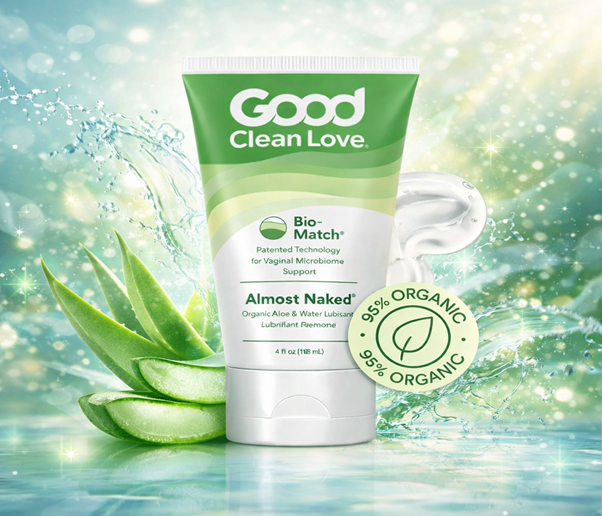
The intimate wellness industry has undergone a quiet revolution. Where synthetic formulations once dominated, plant-based alternatives now command shelf space and consumer attention. Natural lubricantsproducts formulated without petrochemicals, parabens, or synthetic fragrances, have moved from niche health stores to mainstream acceptance, driven by growing awareness of both personal health and environmental impact.
This shift reflects broader changes in how women approach intimate care. Concerns about vaginal pH balance, skin sensitivity, and long-term exposure to synthetic compounds have prompted many to reconsider what they’re willing to use on their bodies. At the same time, advances in formulation science have made natural alternatives more effective than ever, closing the performance gap that once separated them from conventional products.
The Case for Plant-Based Formulations
The appeal of natural lubricants extends beyond marketing claims. Clinical evidence supports several tangible advantages:
- Reduced irritation risk: Synthetic lubricants often contain preservatives and stabilizers that can disrupt vaginal flora or trigger allergic responses. Plant-based formulations typically avoid these compounds, relying instead on ingredients with established safety profiles. Research published in the Journal of Functional Biomaterials demonstrates how botanical extracts can provide both functional and therapeutic benefits in topical applications.
- pH compatibility: The vaginal environment maintains a naturally acidic pH between 3.8 and 4.5. Many conventional lubricants are formulated for shelf stability rather than physiological compatibility, potentially disrupting this delicate balance. Quality natural lubricants are specifically pH-balanced to work with the body’s chemistry.
- Ingredient transparency: Plant-based products generally feature shorter, more recognizable ingredient lists. This transparency allows consumers to make informed decisions based on their specific sensitivities and preferences.
- Environmental considerations: Biodegradable formulations break down naturally without accumulating in water systems or soil, addressing concerns about the ecological footprint of personal care products.
These factors have contributed to steady market growth. According to Grand View Research, the global personal lubricants market is projected to expand significantly through 2030, with natural and organic segments showing particularly strong momentum.
Understanding Your Options
Natural lubricants fall into several distinct categories, each with specific characteristics that suit different needs and preferences:
- Water-based formulations: The most versatile option, water-based lubricants work with all barrier methods and intimate accessories. They absorb into skin without residue and rinse away easily. Modern water-based products use plant-derived thickeners like xanthan gum or cellulose to achieve the desired consistency without synthetic polymers.
- Oil-based alternatives: Coconut, jojoba, and other plant oils provide long-lasting lubrication with minimal reapplication. These work well for extended intimate sessions and offer additional skin-conditioning benefits. The primary limitation: incompatibility with latex barriers, which oil can degrade.
- Aloe vera-based products: Aloe’s natural mucopolysaccharides create a slippery texture while delivering soothing, anti-inflammatory compounds. These formulations particularly appeal to those experiencing sensitivity or recovering from medical treatments affecting intimate tissues.
- Hybrid formulations: Some manufacturers combine water and silicone-based ingredients to balance the benefits of both. While not entirely natural, these products often minimize synthetic additives while maintaining performance characteristics.
The choice depends on individual circumstances barrier method compatibility, skin sensitivity, duration of use, and personal preference all factor into the decision.
How Innovation Is Improving Performance
Technology has fundamentally changed what’s possible with natural formulations. Early plant-based lubricants often suffered from short shelf life, inconsistent texture, or inadequate slip. Modern manufacturing techniques have largely solved these problems.
Advanced extraction methods now preserve the beneficial compounds in botanical ingredients while removing components that cause instability. Cold-processing techniques prevent heat degradation of sensitive plant extracts. Microencapsulation technology allows manufacturers to incorporate water-soluble and oil-soluble ingredients in the same formulation without separation.
Supply chain improvements have also made a difference. Traceability systems ensure that ingredients like organic aloe or fair-trade coconut oil meet quality standards from harvest through production. This matters not just for marketing purposes but for consistent product performance the potency of plant-based ingredients varies significantly based on growing conditions and processing methods.
Some companies have invested heavily in these improvements. Good Clean Love, Überlube, and Sliquid, for instance, have each developed proprietary formulations that maintain effectiveness while adhering to strict natural ingredient standards, demonstrating that plant-based products can compete directly with conventional alternatives on performance metrics.
The FDA regulates personal lubricants as medical devices, requiring manufacturers to meet specific safety and labeling standards. This regulatory framework has pushed the entire industry toward better quality control and more rigorous testing protocols.
The Environmental Equation
Synthetic lubricants present environmental challenges that extend well beyond the bedroom. Most conventional products contain silicone polymers or petroleum-derived compounds that persist in ecosystems long after disposal. When these substances enter wastewater systems, they can accumulate in aquatic environments.
Research on synthetic lubricant environmental impact reveals concerning patterns. A study published in Science of the Total Environment examined how synthetic lubricants behave in soil systems, finding that many formulations resist natural degradation processes and can affect soil microbial communities.
Plant-based alternatives address these concerns through biodegradability. Ingredients like vegetable glycerin, plant oils, and botanical extracts break down through natural biological processes, typically within weeks rather than years or decades. This doesn’t eliminate environmental impact entirely all products require resources to produce and package but it significantly reduces the long-term ecological burden.
Packaging represents another consideration. Many natural lubricant manufacturers have moved toward recyclable glass containers or post-consumer recycled plastics, further reducing their environmental footprint. Some have eliminated outer packaging entirely, using only the primary container with printed information.
What Clean Really Means
The “clean beauty” movement has influenced intimate wellness products, but the term requires definition. In this context, clean typically refers to formulations that:
- Exclude known irritants and endocrine disruptors
- Avoid synthetic fragrances and dyes
- Use sustainably sourced ingredients
- Maintain transparency about all components
- Meet or exceed safety testing standards
Clean doesn’t necessarily mean entirely natural—some synthetic ingredients have excellent safety profiles and perform functions that plant-based alternatives can’t match. The focus is on eliminating compounds with questionable safety data or known risks while maintaining product effectiveness.
Certifications help navigate these distinctions. Products certified by organizations like Made Safe or Leaping Bunny have undergone independent review of their ingredients and manufacturing processes. These third-party validations provide assurance that marketing claims align with actual formulation practices.
Looking Ahead
The natural lubricant category continues to evolve rapidly. Several trends are shaping its trajectory:
- Personalization: Some companies are exploring customized formulations based on individual pH levels, sensitivity profiles, or specific concerns like menopausal dryness. While still emerging, this approach could address the reality that no single product works optimally for everyone.
- Functional ingredients: Beyond basic lubrication, newer products incorporate compounds intended to support vaginal health probiotics to maintain beneficial bacteria, hyaluronic acid for tissue hydration, or CBD for its potential anti-inflammatory effects. The evidence base for these additions varies, but the trend toward multifunctional products seems likely to continue.
- Sustainable packaging: Refillable containers, compostable materials, and concentrated formulas that reduce shipping weight represent growing priorities. Some manufacturers are experimenting with solid lubricants that eliminate packaging waste entirely.
- Expanded availability: Natural lubricants have moved beyond specialty retailers into mainstream pharmacies and supermarkets, reflecting broader consumer acceptance and demand.
These developments suggest that natural lubricants will continue gaining market share, driven by both consumer preferences and ongoing formulation improvements. As the category matures, the distinction between “natural” and “conventional” may become less meaningful than the broader question of whether products are safe, effective, and environmentally responsible regardless of their specific ingredient sources.
For women navigating intimate wellness choices, the expanding options represent genuine progress. Better formulations, clearer information, and more rigorous standards make it easier to find products that align with personal values without compromising on performance. The key is approaching the decision with clear criteria and realistic expectations about what different products can deliver.
