
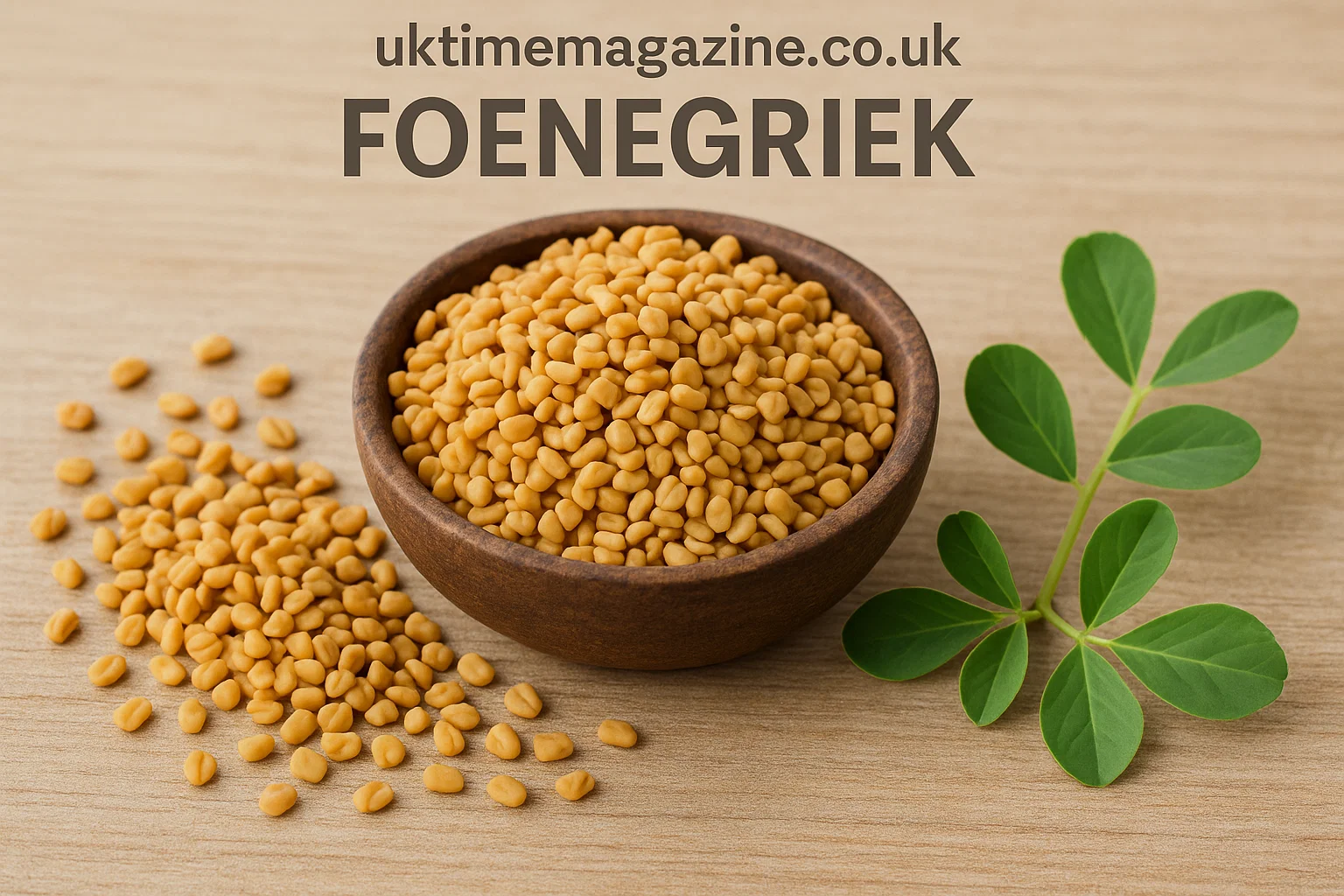
Introduction to Foenegriek
Foenegriek, also known as Fenugreek or Methi Dana, is a medicinal plant that has been treasured for centuries. Its seeds and leaves are widely used as a natural supplement and herbal remedy in traditional medicine. From Ayurveda to Unani medicine, Foenegriek has earned a reputation for its impressive health benefits. Modern research confirms its value in supporting digestive health, diabetes management, and even lactation support.
Often called Trigonella foenum-graecum in scientific literature, Foenegriek is versatile. Its seeds, leaves, and powders are used in cooking, herbal teas, and supplements. People worldwide rely on it not just for its nutritional value but also for its anti-inflammatory and cholesterol reduction properties. The herb bridges the gap between ancient wisdom and contemporary wellness, making it indispensable for anyone seeking natural ways to improve health.
Origin and Historical Significance
Foenegriek originates from the Mediterranean region, particularly Egypt, Greece, and India. Ancient civilizations valued it for its culinary uses and medicinal properties. Egyptian records show its use in beauty rituals and digestive remedies. In India, Methi Dana has been part of Ayurveda for thousands of years, helping manage health naturally.
Historically, Foenegriek seeds were considered a treasure. They were traded across continents, prized not only for their flavor but also as a herbal remedy. Over time, it found a place in European, Middle Eastern, and Asian kitchens. Its enduring popularity highlights its role as a reliable natural supplement.
Botanical Description of Foenegriek
Foenegriek, scientifically called Trigonella foenum-graecum, is an annual herb that grows to about two feet. Its small green leaves and yellowish-white flowers are accompanied by tiny, hard seeds. These seeds, often referred to as Methi Dana, contain the highest concentration of beneficial compounds.
The plant thrives in warm climates and well-drained soil. Both seeds and leaves are harvested for their unique taste and nutritional value. The leaves are commonly used fresh or dried in cooking, while the seeds are roasted, powdered, or brewed into herbal tea.
Nutritional Profile of Foenegriek
Foenegriek seeds are nutrient-dense. They provide proteins, dietary fiber, iron, magnesium, and vitamins like B6 and folate. This combination makes it an excellent natural supplement for general wellness.
Nutrients per 100 grams of Foenegriek seeds:
| Nutrient | Amount per 100g |
|---|---|
| Protein | 23 g |
| Carbohydrates | 58 g |
| Fiber | 25 g |
| Fat | 6 g |
| Iron | 33 mg |
| Magnesium | 191 mg |
This table shows why Foenegriek is considered a powerhouse of nutrition. Its seeds and leaves contribute not only to culinary uses but also to diabetes management, cholesterol reduction, and overall digestive health.
Culinary Uses
Foenegriek is a versatile herb in kitchens around the world. Its seeds add a slightly bitter, nutty flavor, while the leaves provide a fresh, aromatic touch. It is widely used in curries, stews, and bread recipes.
Herbal teas made from Foenegriek seeds are gaining popularity for their digestive health and lactation support properties. Other culinary uses include:
- Sprinkling powdered seeds on vegetables
- Adding fresh leaves to salads
- Brewing herbal tea for natural supplement benefits
The herb’s flavor complements both traditional and modern dishes, making it a favorite among chefs and wellness enthusiasts alike.
Traditional and Medicinal Applications
Foenegriek has long been a key component of traditional medicine. In Ayurveda and Unani medicine, it is used to treat digestive issues, promote lactation, and improve skin and hair care. Its seeds and leaves act as a natural anti-inflammatory, supporting overall wellness.
Besides internal uses, Foenegriek is often applied externally. For example, powdered seeds are combined with oils to make herbal pastes for skin health. These traditional applications highlight its role as both a culinary ingredient and a trusted herbal remedy.
Top Health Benefits of Foenegriek
1. Diabetes Management
Foenegriek helps regulate blood sugar levels. Compounds in the seeds slow carbohydrate absorption and improve insulin sensitivity. For those managing diabetes naturally, incorporating Foenegriek can be beneficial.
2. Digestive Health
Its high fiber content supports smooth digestion. Foenegriek seeds can relieve constipation, bloating, and other digestive issues. Regular use promotes gut health and overall comfort.
3. Lactation Support
Foenegriek is well-known for stimulating milk production in nursing mothers. This makes it a natural supplement recommended by traditional medicine practitioners.
4. Heart Health and Cholesterol Reduction
Foenegriek helps reduce LDL cholesterol and supports cardiovascular health. Including it in daily meals or herbal teas can aid in long-term heart wellness.
5. Weight Management
Due to its fiber content, Foenegriek promotes satiety and reduces overeating. It can complement diet and exercise for effective weight management.
6. Anti-inflammatory Benefits
The seeds and leaves contain compounds that reduce inflammation. This can support joint health, skin health, and overall vitality.
7. Skin and Hair Care
Foenegriek improves skin elasticity and reduces acne. For hair, it can strengthen roots, reduce dandruff, and improve shine. It is commonly used in pastes and oils for topical care.
8. Hormonal Balance and Energy Boost
Foenegriek contributes to hormonal balance, especially in women. Its nutrients also support energy metabolism, making it a natural way to maintain vitality.
Modern Research on Foenegriek
Recent scientific studies validate the traditional use of Foenegriek. Research shows its role in controlling blood sugar, reducing inflammation, and supporting heart health. Clinical trials confirm its efficacy as a natural supplement with minimal side effects.
Modern research also highlights its potential in herbal tea blends and functional foods. This integration of science and tradition emphasizes Foenegriek’s value for contemporary wellness routines.
Safe Usage Guidelines
While Foenegriek is generally safe, excessive consumption may cause mild digestive discomfort. Pregnant women and individuals on certain medications should consult healthcare providers.
Tips for safe use:
- Start with small quantities of seeds or powder
- Drink herbal tea in moderation
- Avoid high doses if pregnant or breastfeeding without guidance
These guidelines ensure that users receive maximum health benefits without risks.
Choosing Quality Foenegriek
Not all Foenegriek is created equal. Organic seeds retain the highest nutritional value and medicinal properties. Look for:
- Clean, intact seeds
- Fresh leaves for culinary uses
- Reputable brands for powders and supplements
Proper storage in airtight containers away from heat and sunlight preserves potency.
Foenegriek in Daily Life
Foenegriek can easily be incorporated into daily routines. Adding seeds to meals, using leaves in salads, or drinking herbal tea supports overall health. Its anti-inflammatory and digestive properties make it a practical natural supplement.
People worldwide combine traditional knowledge with modern science to maximize benefits. For instance, nursing mothers use it for lactation support while fitness enthusiasts rely on its metabolism-boosting properties.
Comparison with Other Herbs
Foenegriek is unique compared to other herbal remedies. While herbs like fenugreek sprouts or fenugreek leaves are similar, Foenegriek seeds provide higher concentrations of beneficial compounds.
- Seeds vs. leaves: Seeds for medicinal use, leaves for culinary purposes
- Foenegriek vs. other herbs: Combines digestive health, cholesterol reduction, and hormonal benefits in one plant
This makes it a versatile choice for natural wellness enthusiasts.
Conclusion
Foenegriek, the ancient herb known as Fenugreek or Methi Dana, remains relevant today for its nutritional value, digestive support, and wide-ranging health benefits. From traditional medicine to modern research, its seeds and leaves offer a natural, safe, and effective supplement. Incorporating Foenegriek into your diet, whether through culinary uses, herbal tea, or supplements, can improve overall wellness and connect ancient wisdom with contemporary health practices.
FAQs About Foenegriek
1. How long does it take for Foenegriek to show effects?
Effects vary; blood sugar regulation or lactation support may take a few weeks with consistent use.
2. Can Foenegriek be taken with other medications?
It is generally safe, but consult a doctor if you are on diabetes or blood-thinning medications.
3. What is the difference between Foenegriek and Methi?
Foenegriek is the same as Methi Dana; “Methi” usually refers to the leaves used in cooking.
4. Is Foenegriek safe during breastfeeding?
Yes, in moderate amounts. It can support lactation, but always follow healthcare advice.
5. How should I prepare Foenegriek seeds for consumption?
Roast lightly, powder for supplements, or brew into herbal tea for health benefits.
