

Every career has its own advantages and disadvantages. Phlebotomy is no different. It is easy to overlook or overestimate aspects of a new job.
In this article, we will look at the 5 pros and cons of being a phlebotomist in the UK. It’ll help you decide if this career is right for you or not.
5 Pros Of Being A Phlebotomist
While there are many benefits to being a phlebotomist, we will focus on five main ones at this moment.
1. Easy Entry Into The Healthcare Sector
Unlike other medical careers, becoming a phlebotomist does not take years of training. It is a skill-based job that allows people with non-medical backgrounds a chance to work in healthcare. This is why many career switchers in the UK are leaving their hospitality or retail careers to get into healthcare through phlebotomy.
If you want to become a phlebotomist, you should complete a recognised Phlebotomy Course from a trusted training provider. This 1-day course is accredited by the Continuing Professional Development and aligns with the National Occupational Standard.
2. Flexible Schedule
In phlebotomy, there are part-time, full-time and mobile roles. You can choose your work shifts. This helps to create a good work-life balance.
3. High Demand
Healthcare professions, including phlebotomists, are in high demand across the UK. They offer high job stability compared to other job sectors. This demand and stability are arising due to an ageing population> Generally speaking, elderly individuals have more chronic health issues that need regular diagnosis, which starts with collecting blood samples.
Apart from the population, healthcare facilities such as hospitals, labs and blood donation centres are actively looking for qualified phlebotomists.
4. Opportunity To Earn Higher Income
As mentioned above, mobile phlebotomy roles that operate on a contractual or freelance basis can give you the freedom to work on your own and command higher wages. In addition to that, if you live in a metropolitan city like London, you can earn much more than in other cities. If you live in London, complete your Phlebotomy Training in London. In doing so, you will have a higher chance of getting employed in healthcare organisations in London.
5. Clear Progression Pathways
Many individuals who start out in phlebotomy slowly progress to other roles with higher responsibilities. For example, you can become a nurse, a lab tech or become a phlebotomy team leader. Staying in phlebotomy will make you a senior phlebotomist that comes with plenty of other monetary and non-monetary benefits.
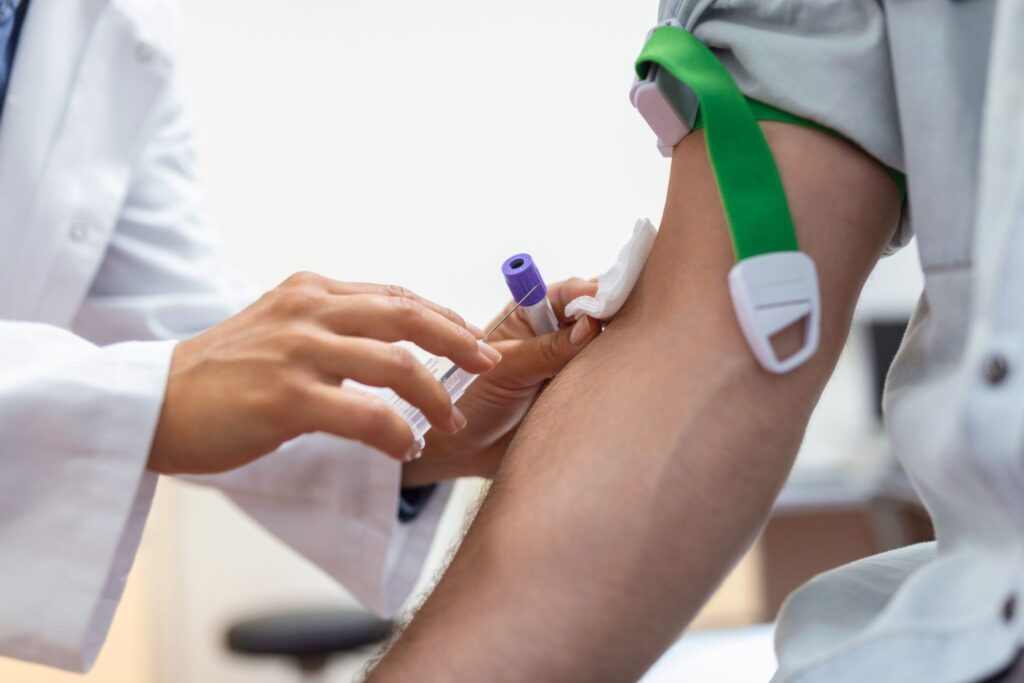
5 Cons Of Being A Phlebotomist
Now, let’s mention some of the cons for a minute.
1. Workplace Hazards
As a phlebotomist, you can come into contact with a variety of different fluids from different patients who may carry contagious diseases. Moreover, used needles in the workspace can cause injuries. To lower your risk of catching diseases or prevent injury, use safety equipment and gear.
2. Difficult Patients
Not all patients are the same. Some patients are nervous about blood draws. These patients will not allow you to do your job properly. When that happens, use your communication skills to keep them calm.
3. Less Margin for Error
You need strong attention to detail and don’t have room for making too many mistakes. Mislabeling blood samples or storing them improperly can have bad consequences. However, the good news is that over time, you will develop strong attention to detail skills.
4. Standing A Lot
Phlebotomists usually collect blood while standing. They often move on to see other patients or transport the blood samples. You may have to move between different departments if it is a large hospital. Again, it is something that you will get used to over time. In fact, it will build more stamina and endurance in your body.
5. Paperwork
Even though your main task is collecting blood, you will still need to complete some paperwork and data entry tasks. This could include handling insurance, documenting blood draws and updating medical records. It is good to have basic computer skills, preferably in spreadsheets like Google Sheets or Excel.
Conclusion
Even though we have highlighted 5 pros and cons for this article, each individual experiences will be different. People who are naturally drawn towards healthcare will feel the pros more than the cons.
