
Introduction
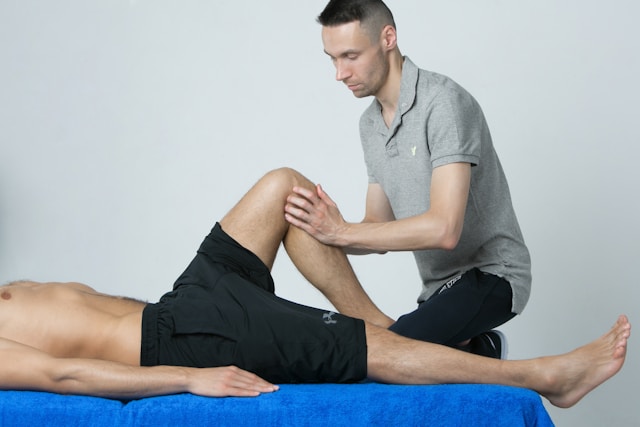
Injuries are an inevitable part of life, whether they occur during sports daily activities, or as a result of accidents. While some injuries heal with rest, many require structured rehabilitation to restore strength, mobility, and function. Physical therapy has become a cornerstone of recovery offering tailored exercises, manual techniques, and education to help individuals regain independence and prevent future complications. Below, we explore seven common injuries that benefit from physical therapy.
Sprains and Strains
Sprains and strains are among the most frequent musculoskeletal injuries. A sprain involves overstretching or tearing of ligaments while a strain affects muscles or tendons. Physical therapy helps reduce pain and swelling, restore range of motion, and strengthen the affected area. Therapists often use manual therapy, targeted exercises, and modalities like ultrasound or electrical stimulation to accelerate recovery. Without proper rehabilitation, these injuries can lead to chronic instability or recurring pain.
Fractures
Recovering from a fracture involves more than just waiting for the bone to heal. Immobilization often leads to stiffness, muscle weakness, and reduced mobility. Physical therapy plays an essential role in restoring function after the cast or brace is removed. Through progressive strengthening, mobility exercises, and balance training, patients regain confidence in their movements. This structured approach ensures that the injured limb returns to full strength and reduces the risk of future fractures.
Post-Surgical Recovery
Surgical procedures, whether orthopedic or otherwise, often leave patients with limited mobility and discomfort. Physical therapy is crucial to regain strength and function after surgery. Therapists design individualized programs that focus on safe movement of scar tissue management, and gradual progression toward normal activities. For example, after knee or hip replacement surgery physical therapy helps patients walk independently, improve joint flexibility, and return to daily routines more.
Back and Neck Injuries
Back and neck injuries can stem from poor posture, accidents, or degenerative conditions. These injuries often cause pain, stiffness, and reduced mobility, having an impact on daily life. Physical therapy addresses these issues through posture correction, core strengthening, and manual techniques such as spinal mobilization. By teaching patients proper body mechanics, therapists do not relieve current discomfort but also prevent future episodes of pain. For individuals who seek specialized care, options like physical therapy in Allentown provide comprehensive treatment plans tailored to spinal health.
Sports Injuries
Athletes often face injuries such as ACL tears, rotator cuff damage, or tendonitis. Physical therapy plays a crucial role in helping them return to their sport. Rehabilitation focuses on restoring strength, agility, and coordination while minimizing the risk of re-injury. Therapists often incorporate sport-specific drills for the preparation of athletes for the demands of competition. This targeted approach ensures that recovery is not complete but also sustainable in the long term.
Arthritis
Arthritis is a chronic condition that causes joint pain, stiffness, and reduced mobility. While it cannot be cured, physical therapy offers significant relief by improving flexibility, strengthening surrounding muscles, and teaching joint-protection techniques. Therapists may use gentle exercises, hydrotherapy, or assistive devices to enhance quality of life. Maintaining mobility and reducing pain physical therapy empowers individuals with arthritis to remain active and independent.
Tendon and Ligament Injuries
Tendon and ligament injuries such as Achilles tendonitis or ACL tears, need careful rehabilitation to bring back stability and function. Physical therapy helps by putting loads on injured tissue, promoting healing, and strengthening muscles around it. Balance and proprioception exercises are often added to prevent future injuries. Without proper therapy, these injuries can cause long-term weakness or instability, making structured rehabilitation crucial.
Conclusion
Physical therapy is a powerful tool in the recovery process for a wide range of injuries. From acute sprains to chronic conditions like arthritis, it provides tailored strategies to restore strength, mobility, and confidence. By addressing both immediate injury and long-term prevention, physical therapy makes sure that patients can return to their daily lives with reduced pain and improved function. Whether recovering from surgery, managing a chronic condition or overcoming a sports injury, physical therapy offers a pathway to lasting health and resilience.
