
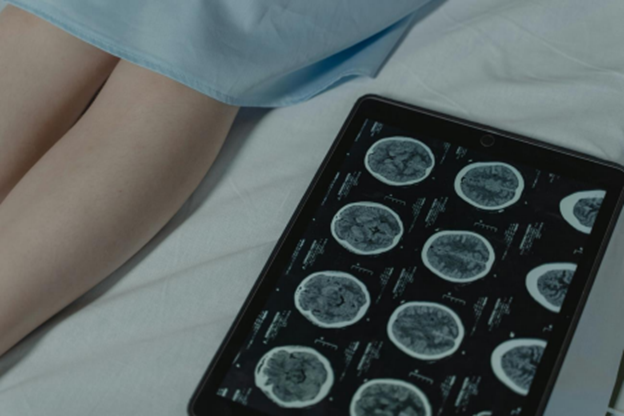
Medical diagnostics is entering an era of rapid innovation. Advances in technology are improving accuracy, expanding testing capabilities, and making healthcare more accessible than ever before. From automation to artificial intelligence, emerging tools are transforming how clinicians diagnose diseases and monitor patient health. Understanding these technologies helps laboratories, healthcare providers, and patients prepare for a future driven by smarter, faster diagnostic solutions.
Artificial Intelligence and Machine Learning
AI is revolutionizing diagnostics by identifying patterns that may be difficult for humans to detect. Machine learning models analyze large datasets to support clinicians in interpreting results, detecting abnormalities, and predicting risk levels. These systems improve accuracy and reduce variability, especially in areas such as imaging, genomics, and digital pathology. Many platforms integrate with pathology software to streamline workflows and enhance diagnostic precision.
Digital Pathology and Remote Diagnostics
Digital pathology allows labs to convert traditional glass slides into high‑resolution digital images. These images can be shared instantly across networks for faster consultations and second opinions. Remote diagnostics makes expert analysis accessible even in underserved regions, expanding care opportunities globally. The ability to store, review, and analyze digital images improves workflow efficiency and supports advanced AI‑driven interpretation.
Point‑of‑Care Testing (POCT)
Point‑of‑care devices bring diagnostic testing directly to the patient, significantly reducing turnaround time. Portable analyzers and rapid testing kits allow clinicians to make timely decisions in emergency rooms, outpatient clinics, and even home‑care settings. POCT improves patient experience, enhances early detection, and reduces the burden on central laboratories. As technology evolves, these tools are becoming more accurate and cost‑effective.
Next‑Generation Sequencing (NGS)
NGS technology has transformed genetic testing by enabling rapid sequencing of large amounts of DNA. This technology supports precision medicine by identifying biomarkers, inherited conditions, and treatment‑response indicators. NGS is increasingly used in oncology, infectious disease testing, and prenatal screening. Its ability to deliver detailed insights at scale makes it one of the most impactful innovations in modern diagnostics.
Automation and Robotics
Robotic systems now assist in specimen handling, pipetting, and high‑volume testing. Automation reduces human error and frees staff to focus on result interpretation and quality assurance. High‑throughput systems accelerate workflows, allowing labs to process larger volumes of samples with consistent precision.
Conclusion
Technology is reshaping the future of medical diagnostics, offering faster, more accurate, and more accessible ways to detect disease. From AI‑powered interpretation to next‑generation sequencing and remote diagnostic capabilities, these innovations are transforming how labs and clinicians deliver care. As advancements continue, the diagnostic landscape will become more efficient, more personalized, and more responsive to patient needs.
