
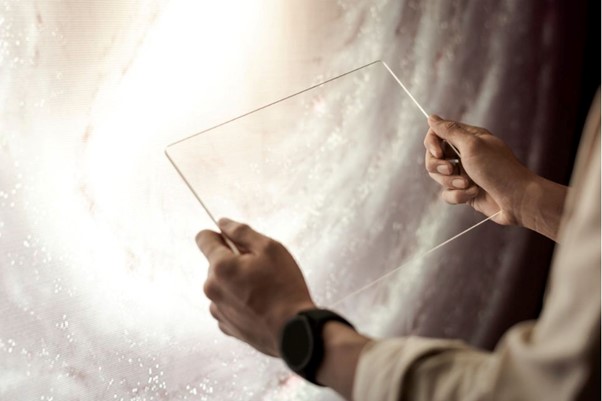
For centuries, glass stood alone as the only choice for transparent surfaces. From the hand-blown windows of Tudor estates to the massive panes of Victorian conservatories, it shaped how people interacted with their environments. However, the requirements of modern design and DIY projects have shifted. While glass remains a staple, a versatile alternative has emerged that challenges its dominance in almost every practical category.
Perspex is a high-performance material that offers a unique blend of safety, weight reduction, and optical brilliance. Whether you’re a homeowner looking to upgrade a garden feature or a professional sign maker, understanding the evolution from traditional glazing to contemporary polymers is essential. Discover how this material became a staple of modern British engineering and design.
From Ancient Sand to Modern Synthetics
The story of glass stretches back to ancient Mesopotamia and Egypt, where it was originally used for beads and small vessels. By the time of the Industrial Revolution, Britain became a global leader in glass production, particularly with the development of polished plate glass. This allowed for the grand, transparent storefronts and skylights that defined the era’s architecture. Yet, for all its beauty, glass always carried the inherent risks of fragility and immense weight.
In the early 20th century, chemists began experimenting with acrylic polymers. By the 1930s, cast acrylic was commercialised in the UK. During the Second World War, it proved its worth in aircraft canopies and submarine periscopes because it didn’t shatter into dangerous shards upon impact. This historical transition paved the way for Perspex clear cast acrylic sheets to become a common sight in everything from hospital equipment to high-street retail displays.
Where Acrylic Prevails
One of the most significant reasons designers choose acrylic over glass is the weight. Acrylic is approximately half the weight of a glass pane of the same size and thickness. This makes installation much safer and often removes the need for heavy, expensive supporting structures. For a DIY enthusiast working on a secondary glazing project or a garden cold frame, the ease of handling is a massive benefit.
Strength is another area where acrylic takes the lead. It’s significantly more impact-resistant than standard annealed glass. If it does break, it tends to crack into large, dull-edged pieces rather than exploding into thousands of tiny, razor-sharp fragments. This safety profile is why you’ll see it used extensively in:
- School and university laboratory equipment.
- Protective screens in banks and post offices.
- Outdoor signage that needs to withstand the British weather.
- Bespoke furniture and shelving.
- Greenhouse panels and shed windows.
Optical Clarity and Fabrication
Many people assume that glass offers the best transparency, but cast acrylic actually has better light transmission. It allows up to 92% of visible light to pass through, which is often higher than many types of glass that can have a slight green tint due to iron content. This makes acrylic the superior choice for museum display cases or photography lightboxes where true colour representation is vital.
Furthermore, the ease of customisation sets acrylic apart. You can’t easily cut or drill glass at home without specialist tools and a high risk of breakage. Acrylic, however, can be cut to size, drilled, and even heat-bent into complex curves. This flexibility allows for creative applications in interior design, such as curved breakfast bar splashbacks or custom-made light fittings that would be impossible or prohibitively expensive to create with glass.
The Resilience of Glass
Even with the impressive rise of synthetic materials, glass isn’t going anywhere. It still holds the crown in specific environments, particularly where scratch resistance is the top priority. Glass has a very hard surface that’s difficult to mark with everyday cleaning or abrasive contact. This is why it remains the standard for car windscreens and high-traffic shopfronts at street level.
Glass also excels in terms of thermal stability and chemical resistance. It can withstand much higher temperatures than acrylic before warping, making it the only choice for oven doors or fireplace screens. Additionally, certain harsh solvents can damage acrylic surfaces, whereas glass remains unaffected. In the world of high-rise construction, the structural rigidity and fire-rating of toughened glass ensure its continued relevance in the UK’s skyline.
Conclusion
Choosing between these two materials depends entirely on the specific needs of your project. If you require a lightweight, shatterproof, and easy-to-handle solution for a home renovation or a commercial display, acrylic is often the winner. Its ability to mimic the look of glass while providing superior safety and flexibility makes it a formidable rival.
On the other hand, for applications where extreme heat or surface scratching is a concern, traditional glass still has its place. By understanding the history and the physical properties of both, you can make an informed decision that ensures your project is both beautiful and durable. Both materials have shaped the British landscape, and they’ll continue to do so for years to come.
