

A youthful, well-defined neck is a hallmark of overall facial aesthetics, yet the natural ageing process, genetics, and lifestyle factors can contribute to sagging skin, excess fat, and loss of definition in the neck and jawline area. This condition is commonly referred to as a “turkey neck” due to the loose, wrinkled appearance of the skin under the chin. For individuals seeking a more refined and rejuvenated appearance, turkey neck surgery is an effective solution. When performed alongside procedures like a lower face lift in London, patients can achieve comprehensive improvement in both neck and facial contours. Understanding the procedure, its benefits, and what to expect can help patients make informed decisions about their aesthetic goals.
Understanding Turkey Neck
Turkey neck occurs when the skin under the chin and along the neck loses elasticity, often appearing loose or wrinkled. This can result from a combination of factors, including:
- Natural ageing: As collagen and elastin levels decrease over time, the skin becomes less firm and more prone to sagging.
- Genetics: Some individuals are predisposed to develop loose neck skin earlier due to hereditary factors.
- Weight fluctuations: Significant changes in weight can stretch the skin, leaving it loose even after weight loss.
- Muscle laxity: Weakening of the platysma muscles, which run along the front of the neck, can contribute to a banded or sagging appearance.
While neck exercises and skincare can improve muscle tone and skin health to some extent, they cannot fully address significant laxity or excess skin. For these cases, turkey neck surgery provides a definitive and long-lasting solution.
The Role Of Turkey Neck Surgery
Turkey neck surgery is designed to improve neck contours by addressing excess skin, fat, and weakened muscle structures. The procedure can involve:
- Excision of excess skin to tighten loose areas
- Liposuction to remove unwanted fat deposits beneath the chin and along the neck
- Platysmaplasty to tighten the neck muscles, reducing the appearance of bands or sagging
- Resurfacing techniques to improve skin texture and overall neck smoothness
By combining these techniques, surgeons can restore a firmer, smoother, and more youthful neck contour.
Combining Turkey Neck Surgery With Lower Face Lift
For patients who also experience sagging along the jawline and lower face, a lower face lift in London can be performed in conjunction with turkey neck surgery. This combination ensures:
- Harmonious facial and neck contours
- Enhanced definition along the jawline and chin
- Comprehensive correction of age-related changes in both face and neck
Performing both procedures together allows for more natural-looking results, as the surgeon can address both skin laxity and underlying muscle and fat structures simultaneously.
The Surgical Procedure
Turkey neck surgery typically involves several steps:
- Consultation and Assessment – A detailed evaluation of the neck and lower face determines the extent of skin laxity, fat deposits, and muscle weakness. The surgeon develops a customised plan based on the patient’s anatomy and goals.
- Anaesthesia – The procedure is usually performed under general anaesthesia or local anaesthesia with sedation.
- Incisions – Small, discreet incisions are made, often behind the ears or under the chin, to minimise visible scarring.
- Fat Removal And Muscle Tightening – Liposuction may remove excess fat while the platysma muscles are tightened to create a smoother, firmer neck contour.
- Skin Redraping And Closure – Excess skin is removed, and remaining skin is repositioned to achieve a taut, youthful appearance. Incisions are closed carefully to minimise scarring.
The surgery generally takes several hours, depending on whether it is performed alone or combined with a lower face lift.
Recovery And Aftercare
Recovery from turkey neck surgery varies depending on the extent of the procedure but typically involves:
- Mild swelling and bruising in the neck and lower face areas
- Temporary discomfort or tightness in the neck
- Sutures that may be dissolvable or removed within one to two weeks
Patients are advised to:
- Keep the head elevated while resting to reduce swelling
- Avoid strenuous activities and heavy lifting for several weeks
- Follow the surgeon’s guidance on wound care and medications
- Attend all follow-up appointments to monitor healing
Most patients can return to work and social activities within two to three weeks, although complete healing and final results may take several months as the tissues settle.
Benefits Of Turkey Neck Surgery
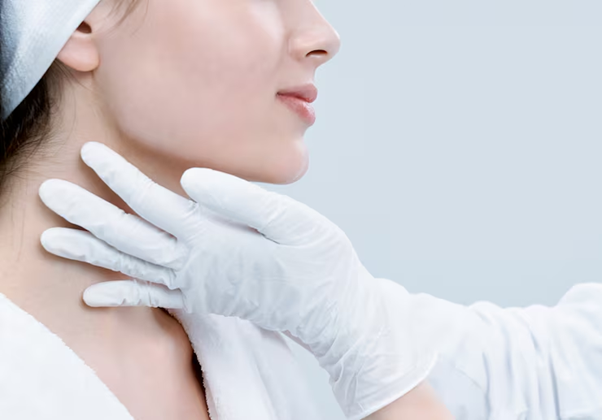
Enhanced Neck Contours
The most immediate benefit of turkey neck surgery is the creation of a smoother, more defined neck and jawline. Patients often notice a significant improvement in the overall shape and firmness of the neck.
Improved Facial Harmony
When combined with a lower face lift, the procedure restores balance between the face and neck, enhancing overall facial aesthetics.
Long-Lasting Results
Unlike non-surgical treatments, turkey neck surgery offers durable results, particularly when patients maintain a healthy lifestyle and stable weight.
Boosted Confidence
Improved neck and jawline contours can have a profound impact on self-esteem and confidence, allowing patients to feel more comfortable in social and professional settings.
Risks And Considerations
While turkey neck surgery is generally safe when performed by an experienced surgeon, patients should be aware of potential risks, including:
- Swelling, bruising, or temporary numbness
- Minor scarring, typically well-concealed
- Infection, bleeding, or adverse reactions to anaesthesia
- Asymmetry or need for minor revision
A thorough consultation with a qualified London facial plastic surgery specialist helps patients understand these risks and establish realistic expectations.
Who Is A Good Candidate
Ideal candidates for turkey neck surgery include individuals who:
- Have significant skin laxity or muscle banding in the neck
- Desire a more defined jawline and improved neck contours
- Are in good overall health and have realistic expectations
- Understand the recovery process and are committed to post-operative care
Patients with minimal neck laxity may benefit from less invasive treatments, such as skin tightening or injectable therapies, but those with moderate to severe changes typically achieve the best results through surgery.
Maintaining Results

Post-surgery care is essential for sustaining results. Recommendations include:
- Maintaining a stable weight to prevent stretching of the neck skin
- Practicing sun protection to preserve skin quality
- Following a healthy diet and exercise routine
- Attending regular check-ups with the surgical team
Long-term commitment to overall health and skincare enhances the longevity of surgical outcomes.
Conclusion
Turkey neck surgery is an effective and transformative procedure for individuals seeking to restore youthful neck contours and improve overall facial harmony. When performed alongside a lower face lift in London, the procedure addresses both neck and jawline concerns, delivering natural and balanced results. With proper preparation, professional guidance, and post-operative care, patients can achieve lasting improvements in neck definition, skin firmness, and overall aesthetic appearance. By understanding the procedure, recovery, and benefits, patients are better equipped to make informed decisions and enjoy the full advantages of turkey neck surgery.
