
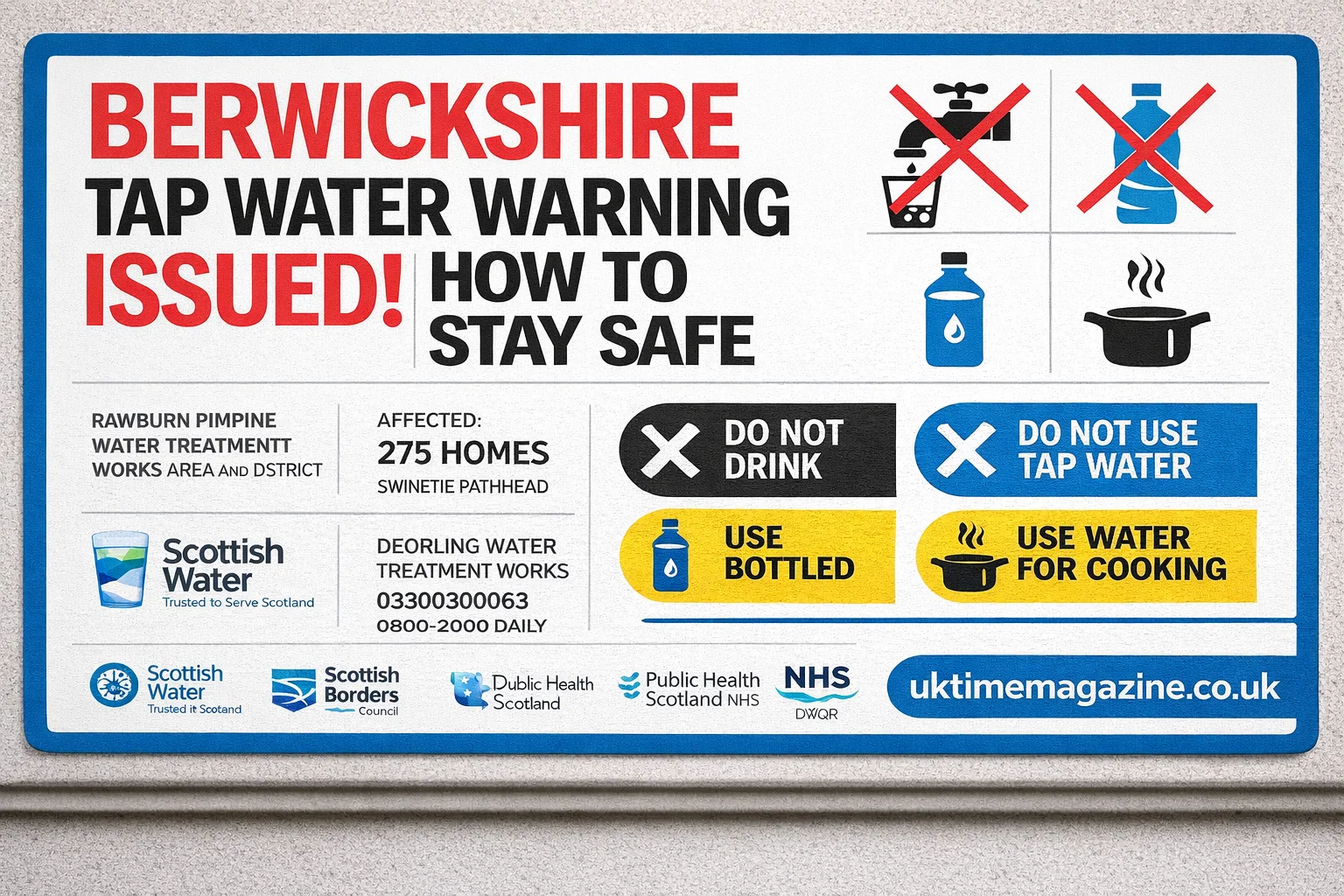
Introduction to the Berwickshire Tap Water Warning
Recently, residents across Berwickshire and parts of the Scottish Borders were advised to follow a tap water warning. This advisory was issued after authorities identified concerns regarding water safety, prompting a precautionary drinking water advisory. The message emphasized that the tap water could pose health risks until quality testing confirmed it was safe. Many households in towns such as Duns, Chirnside, and Coldingham had to adjust their routines to rely on alternative water sources, including bottled water distribution. Authorities highlighted the importance of following precautionary health measures, particularly for vulnerable populations including the elderly, children, and people with compromised immunity.
This event demonstrates the essential role of water management infrastructure and community awareness in protecting public health. Scottish Water immediately implemented emergency repairs and distributed information via local notice communication channels to inform residents about necessary precautions. Heavy rainfall, sediment disturbances, and potential pipe bursts contributed to the complex situation, leading to a temporary disruption in the water supply. The rapid response by local authorities helped minimize the risk of microbial contamination and maintain drinking water safety.
Quick bio table
| Field | Details |
|---|---|
| Topic | Berwickshire Tap Water Warning |
| Scope | Scottish Borders, including Duns, Chirnside, Coldingham |
| Issuing Authority | Scottish Water |
| Affected Facility | Rawburn Water Treatment Works |
| Advisory Type | Do not drink tap water advisory, Boil water notice (precautionary) |
| Cause | Water network disruption due to heavy rainfall, sediment disturbance, pipe bursts, water main fault/damage |
| Public Health Concern | Microbiological contamination, water contamination concerns, drinking water safety |
| Emergency Actions | Emergency repairs, bottled water distribution, emergency temporary water infrastructure |
| Communication Channels | Local water supplier communication, local notice communication channels, alerts via SMS, social media, and community notices |
| Precautionary Measures for Residents | Boiled water precautions, vulnerable population precautions, following water safety instructions |
| Impact | Water supply interruption, water-related business disruption, household inconvenience, school and care facility adjustments |
| Testing & Monitoring | Water quality testing, advanced purification/filtration, long-term water safety monitoring |
| Support Measures | Priority Services Register (PSR), community support, compensation for customers |
| Outcome | Water supply restoration, improved monitoring, public trust rebuilding, lessons learned for future emergencies |
| Keywords Used | Berwickshire tap water warning, Scottish Borders water warning, Scottish Water, Rawburn Water Treatment Works, Do not drink tap water advisory, Boil water notice, Water contamination concern, Emergency repairs, Bottled water distribution, Water supply interruption, Drinking water safety, Water quality testing, Water supply restoration, Water network disruption |
How Water Warnings Are Issued and Their Importance
Water warnings such as the Berwickshire tap water warning are issued in stages depending on risk assessment and water quality test results. When Scottish Water detects abnormalities in water treatment systems, they coordinate with local authorities to issue notices and alerts through multiple channels, including SMS notifications, community boards, and social media updates. The first stage often involves a precautionary advisory alerting residents to potential contamination. If testing confirms significant microbial or chemical risks, a do not drink tap water advisory is issued. In some cases, a boil water notice is implemented to allow residents to continue using water for essential purposes after boiling.
The process ensures public health protection while balancing the need to maintain access to water. Clear instructions on boiled water precautions and emergency measures are communicated to households, businesses, schools, and care facilities. By establishing consistent messaging through local notice communication channels, Scottish Water reduces confusion and prevents unnecessary panic while the water supply network is repaired. This structured approach also highlights the importance of ongoing long-term water safety monitoring to prevent similar issues in the future.
Causes Behind the Berwickshire Tap Water Warning
The tap water warning in Berwickshire originated from multiple contributing factors. The Rawburn Water Treatment Works, a key facility supplying the Scottish Borders, experienced technical challenges that impacted water quality. These included damage to water mains, pressure loss in the distribution system, and disruptions caused by heavy rainfall and sediment accumulation. Pipe bursts or other structural issues increased the risk of contamination, prompting immediate action to safeguard drinking water.
Microbiological concerns in water were identified during preliminary quality tests, leading to the do not drink tap water advisory. These concerns reflected both environmental conditions and aging infrastructure, which can allow sediments or bacteria to enter water lines during disturbances. Emergency repairs were necessary to stabilize the network and restore consistent water pressure. Local water supplier communication ensured residents were informed of affected areas and the steps being taken to minimize health risks. Residents were urged to follow water safety instructions, emphasizing the critical role of personal responsibility in such situations.
Immediate Public Safety Measures Implemented
Once the advisory was issued, Scottish Water and local authorities coordinated several immediate safety measures. Residents were asked to follow boiled water precautions for drinking, cooking, and food preparation. Vulnerable populations, including babies and individuals with compromised immunity, were provided additional guidance to ensure their safety. Bottled water distribution points were established across affected towns, prioritizing households registered on the Priority Services Register. Emergency temporary water infrastructure helped maintain supply in areas where repairs could not be completed quickly, reducing disruptions in daily life.
The proactive approach to public health protection minimized potential exposure to contaminated water. Residents were encouraged to stay informed through alerts and to maintain proper hygiene using boiled or bottled water. Schools, hospitals, and care facilities adapted their operations in line with the advisory, demonstrating how communities can respond collectively to maintain safety during such incidents. These measures highlighted the importance of both infrastructure preparedness and clear communication in managing water-related emergencies.
How Boil Water Notices Protect Residents
Boil water notices are a precautionary measure designed to protect public health while water quality issues are addressed. When issued, residents must bring water to a rolling boil for at least one minute before using it for drinking or cooking. This step effectively reduces microbial risks, including bacteria that may be present due to contamination. Boiling water also provides a safeguard for food preparation, brushing teeth, and other everyday activities that rely on safe drinking water.
Boil water notices are typically issued alongside broader drinking water advisories, and they remain in effect until water quality testing confirms safety. Scottish Water’s team closely monitored the distribution network and applied advanced purification and filtration techniques to ensure treated water met rigorous safety standards. Residents were advised to follow water safety instructions consistently, emphasizing the importance of personal precaution even after initial repairs were completed. This approach reflects a balance between public health protection and practical daily needs.
Water Quality Testing and Monitoring Processes
Water quality testing played a crucial role during the Berwickshire tap water warning. Engineers collected samples from the Rawburn Water Treatment Works, local distribution pipelines, and taps across affected towns. Testing focused on microbiological analysis, sediment inspection, and chemical composition assessments to identify potential contamination risks. Regular monitoring ensured that any unsafe water was detected quickly, allowing authorities to take immediate action to protect residents.
Advanced water treatment processes were employed to restore safety, including filtration upgrades and additional chemical treatments where necessary. Long-term water safety monitoring continued after the initial warning was lifted, ensuring that similar issues could be detected before affecting public health. Alerts and notifications were used to keep water users informed via alerts, maintaining transparency and trust within the community. The testing process emphasized the technical and practical aspects of drinking water safety and reinforced the importance of systematic oversight.
Emergency Repairs and Infrastructure Management
Emergency repairs were initiated immediately after abnormal readings were detected. Crews worked to locate and repair water main faults and damaged pipework throughout the affected network. Maintaining water supply pressure was critical to minimize the impact of interruptions. Where necessary, temporary water infrastructure was deployed to ensure continuous access to safe water during the repair process. The goal was to restore normal service while preventing further contamination.
Coordination between Scottish Water, local contractors, and community volunteers allowed repairs to proceed efficiently. Emergency measures also included the redistribution of water through portable tanks and bottled water points. These actions helped reduce water-related business disruption and allowed households to continue basic activities without major interruption. The effective management of infrastructure during such events demonstrates the importance of planning, rapid response, and communication for protecting public health.
Bottled Water Distribution and Community Assistance
During the warning, bottled water distribution was a key component of the public safety strategy. Points were set up across communities to provide residents with access to safe drinking water. Priority access was given to vulnerable populations and those registered on the Priority Services Register. Volunteers and local staff helped coordinate distribution, ensuring that households, schools, and care facilities had enough water to meet essential needs.
This effort complemented local notice communication channels, ensuring that everyone received accurate information about distribution points and available resources. Community members were encouraged to follow precautionary health measures even while using bottled water, such as avoiding cross-contamination when preparing food. The distribution process highlighted the importance of coordinated action in mitigating public health risks during water emergencies.
Impact on Residents and Local Businesses
The water warning affected households, schools, and businesses across Berwickshire. Residents had to adapt to using boiled or bottled water for drinking, cooking, and hygiene. Local businesses that rely on clean water, such as restaurants and cafes, faced operational challenges. Schools adjusted menus and hygiene routines, while care facilities implemented extra measures to protect vulnerable residents.
Despite the disruption, the community largely followed water safety instructions, minimizing health risks. Feedback from residents emphasized the importance of timely and clear communication, as well as the availability of resources like bottled water and emergency infrastructure. The incident illustrated how water supply issues can quickly affect daily life and highlighted the role of both preparedness and responsive management in maintaining community resilience.
Communication Strategies During the Warning
Effective communication was critical during the Berwickshire tap water warning. Scottish Water used multiple channels to inform residents, including text alerts, social media updates, and community announcements. These communications provided clear instructions on boiled water precautions, bottled water access, and ongoing repair efforts. Local notice communication channels ensured that residents in remote areas received timely updates, reducing confusion and anxiety.
Residents were encouraged to stay informed and follow instructions closely. Community forums provided additional opportunities for questions and clarifications, helping build trust between authorities and the public. Maintaining transparency throughout the crisis demonstrated the value of proactive communication in managing water safety concerns.
Understanding Water System Vulnerabilities
Water systems are complex, and even well-maintained networks can experience challenges. Factors such as pipe bursts, water main damage, sediment disturbances, and heavy rainfall can introduce contamination risks. The Berwickshire incident highlighted how these factors can converge, requiring rapid assessment and corrective action. Monitoring systems and infrastructure upgrades are essential for detecting and addressing such vulnerabilities before they impact public health.
Preventive measures, such as regular maintenance and advanced water filtration, reduce the likelihood of similar warnings in the future. Scottish Water’s investment in long-term monitoring and system improvements ensures continued drinking water safety for residents. Understanding these vulnerabilities helps communities appreciate the complexities of water supply management and the importance of following precautionary measures when alerts are issued.
Long-Term Water Safety Monitoring and Prevention
After the emergency was resolved, authorities implemented long-term strategies to prevent future incidents. These included enhanced monitoring, advanced purification, filtration upgrades, and consistent water quality testing. Regular inspection of distribution networks ensures that pipe bursts, sediment disturbances, and other risks are detected early. Residents are encouraged to register for alerts and participate in community safety initiatives, reinforcing the importance of proactive engagement in public health protection.
By strengthening infrastructure and maintaining clear communication channels, Scottish Water aims to reduce both the frequency and impact of water warnings. This approach ensures that residents can trust the safety of their drinking water and helps build resilience against potential environmental or technical challenges.
Lessons Learned from the Warning
The Berwickshire tap water warning offered several lessons for both authorities and residents. Rapid communication and transparent updates helped maintain public trust and compliance with safety instructions. Coordinated emergency repairs and resource distribution minimized disruption. Residents learned the value of preparedness, including maintaining emergency water supplies and following precautionary health measures. Authorities recognized the importance of ongoing monitoring and infrastructure investment to prevent similar events.
These lessons highlight how communities can effectively respond to emergencies when infrastructure, communication, and public awareness align. The event reinforced the critical role of both technical expertise and community engagement in ensuring drinking water safety.
Preparing for Future Water Emergencies
Preparing for water emergencies involves both individual and community actions. Residents should stay informed through local alerts, maintain emergency water reserves, and follow precautionary guidelines when warnings are issued. Authorities continue to invest in monitoring, advanced treatment, and infrastructure improvements. Community readiness, combined with responsive public services, ensures that even unexpected disruptions can be managed safely and effectively. Collaboration between residents and utilities remains essential to maintain drinking water safety during emergencies.
Moving Forward: Rebuilding Trust in Water Services
With water supply restored and quality testing completed, Scottish Water has emphasized continued vigilance. Long-term monitoring, advanced purification, and regular communication help rebuild trust with residents. Communities affected by the warning can now rely on improved infrastructure and clear guidance in the event of future issues. The Berwickshire tap water warning ultimately showcased the importance of preparedness, responsive action, and community cooperation in maintaining public health and safe water access.
Conclusion
The Berwickshire tap water warning was a critical test of public health protection, infrastructure management, and community responsiveness. By combining clear communication, emergency repairs, bottled water distribution, and ongoing water quality testing, authorities successfully minimized risk and restored safe drinking water. Residents learned valuable lessons about precautionary measures, preparedness, and trust in public services. The focus now is on long-term monitoring, system upgrades, and community readiness to prevent future disruptions. The incident demonstrates how collaboration, vigilance, and proactive measures safeguard drinking water and protect public health in every situation.
Frequently Asked Questions (FAQs)
- What did the Berwickshire tap water warning mean?
It indicated a temporary risk to drinking water, requiring residents to follow precautions until safety testing was completed. - Why was a boil water notice issued?
Boil water notices minimize microbial risk when water contamination is suspected, making tap water safe to consume after boiling. - How long did the advisory last?
The advisory continued until Scottish Water confirmed that all water quality tests were within safe limits. - Who received bottled water during the warning?
Bottled water was distributed to all affected residents, with priority for vulnerable households registered on the Priority Services Register. - What should residents do if another warning occurs?
Residents should follow alerts, use boiled or bottled water, and adhere to precautionary health measures until official updates indicate safety.
