
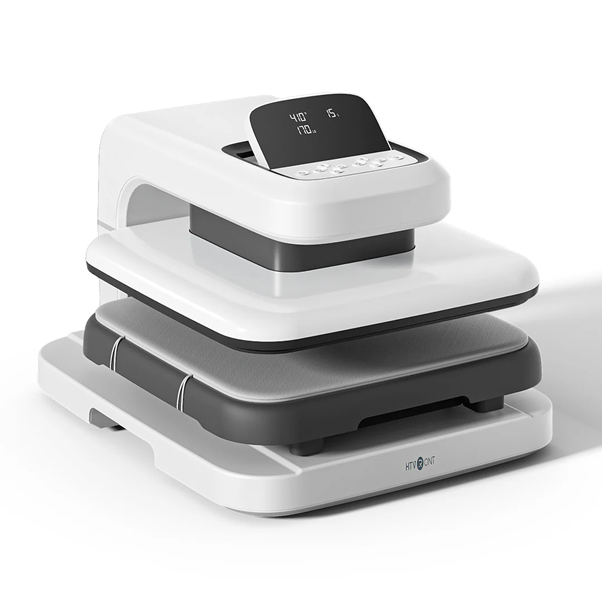
Introduction to Easy-to-Use Sublimation Printing Technology
The world of technology has made it possible for everyone to make custom products in the comfort of their homes, regardless of whether they are beginners or experienced artists. Through sublimation printing, which is one of the easiest and most versatile techniques for designing custom-made products, anyone can create their own stickers or mugs by simply transferring their designs onto the product. In this article, we will explore the entire beginner’s guide using heat transfers, sublimation printer, and sublimation sticker paper.
Sublimation Printing Process
To be able to initiate sublimation printing, it is important for one to understand the process involved. This method differs from other methods whereby ink only remains at the surface of the substrate, as the ink used in this method needs to be transformed into gaseous state before becoming permanently attached to the substrate. This explains why the printing technique has been widely used in items such as mugs, key chains, phone covers, and stickers among others.
Creation of Sublimation Design:
It is critical to have the sublimation design done prior to production. The process of performing this work with the aid of software such as Photoshop, CorelDRAW, and even Canva is very straightforward. It should be highlighted at the outset that it becomes very important to use high resolution while preparing sublimation prints since the key to making a successful sublimation print lies in being able to print rich colors. The sublimation process loves bright and vivid colors because it makes them even brighter.
Sublimation Printing Process Using a Printer and Machine:
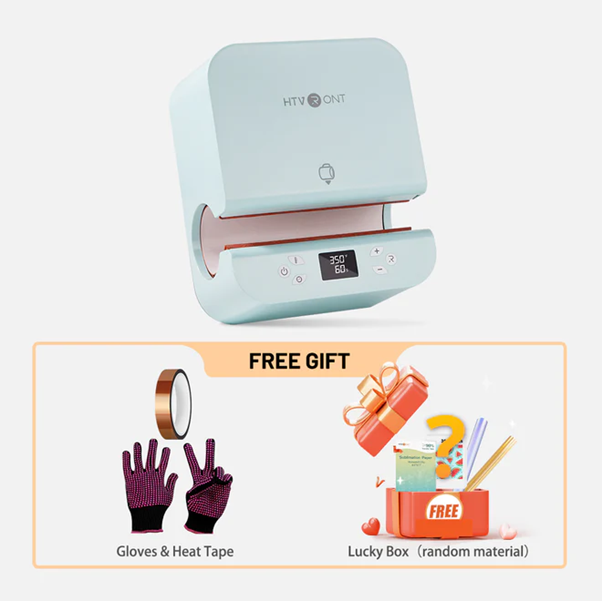
Once the sublimation design has been successfully developed, it will have to undergo a printing process, which could be using a sublimation printer or a sublimation machine. The importance of using a sublimation machine during sublimation printing is that this machine uses heat and pressure to make the design transfer to a certain surface based on what is manufactured. Temperature control is critical regardless of the product made.
Sublimation Sticker Paper Usage:
Following the design creation and printing processes, the subsequent process involves the use of sublimation sticker paper. This paper is specialized in holding sublimation ink and facilitating its transfer to the required surface during sublimation. Sublimation sticker papers are especially preferred by beginners when making stickers for personal uses such as labelling products and other materials.
Cutting and Preparation of Sticker Designs:
In order to make stickers from the prints, the designs have to be cut with scissors or even cutting machines. Once this is done, the stickers may now be applied to any surface or can simply act as labels. It should be understood that despite the sublimation stickers not being the typical vinyl stickers, their professional appearance makes them different once they are applied.
Application of Heat Transfers in Mugs:
The last step in production is the most critical, involving the transfer of the heat through the use of a sublimation printer. If the item being printed on is a mug, then wrapping the material for printing around the mug will be done using heat-resistant tape, making sure that it is perfectly fitted. Heat will be transferred via the sublimation printer at temperatures between 180°C and 200°C (356°F and 392°F).
The Process of Sublimation Bonding:
Sublimation bonding requires the sublimation ink to turn into gaseous form in order for the printing process to take place, hence the use of heat to bond with the polymer coating of the mug or substrate.
Flat Sublimation Objects
The technique is also applied to flat objects such as stickers and smaller merchandise pieces. Special heat press attachments or the flatbed option of the machine are utilized. The same steps must be considered: appropriate temperature, pressure, and timing. The novice user needs to comply with the instructions of the manufacturer in terms of the optimal temperature and duration of heat transfer.
Cooling Down and Unveiling the Design
After the process of heat transfer is completed, there must be a waiting time for the object to cool down. For instance, when using a mug, removing the print paper too early could affect the outcome of the design transferred. After the cooling stage, the picture would appear with all its colors in bright detail.
Variety of Applications in Sublimation
Undoubtedly, one of the greatest advantages of this technology is its versatility. Many different items may be created with the help of sublimation; among these items are stickers, mugs, t-shirts, or interior design. In addition, sublimation printing is highly suitable for beginners trying themselves in this kind of activity and finding profitable ways.
Long Life of Sublimation Prints:
Another strength of sublimation printing lies in the longevity of this method. Whereas stickers or surface drawings wear off quite quickly becoming peeled and scratched, sublimation prints stay colorful and fresh. Thus, this method is highly convenient for producing daily-use items.
Opportunities for Business Start-Up:
Another strength of sublimation is that with the assistance of sublimation technology, people can also generate some extra income. In today’s world, personalized presents have become very popular, particularly on various events such as birthdays or weddings. Hence, if you have a sublimation printer, you may create some personalized presents for others.
Advice for Practicing and Experimenting:
Practice and experimentation with various materials and types of mugs on various heat levels is advised. It is essential to always try out your materials in advance to avoid problems later on.
Conclusion: From Stickers to Mugs
To conclude, the sublimation process is an enjoyable experience for people who want to venture into it. All you have to do is to learn how to transfer heat on the design, purchase a good sublimation machine, and get some sublimation sticker papers. This process will allow you to design your very own products ranging from simple stickers to more complex mugs.
