
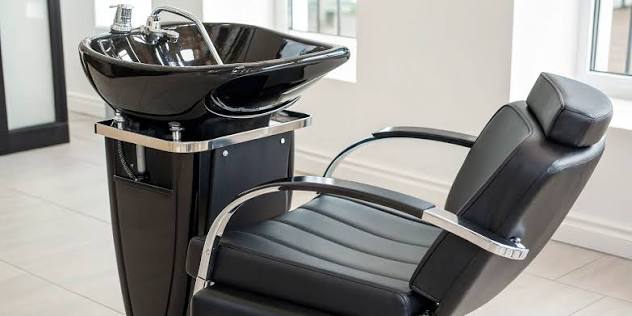
It is two o’clock on a Thursday, the salon is three colours deep, and the middle backwash bowl is holding four inches of grey water that refuses to move. The stylist at chair three has started rinsing in the back utility sink, which adds six or seven minutes to every service and shoves the last appointment of the day past closing time. That bowl is not really the problem, and neither is the hair catcher nobody remembers to empty, because the branch line all three bowls share is where the restriction lives, and proving that takes a clogged drain cleaning pasadena ca crew with a camera. The argument here is simple: for a three-chair salon, a scheduled cleaning costs less than the chair time a slow drain quietly takes back.
Slow Bowls Point Past The Basin To The Line
One slow bowl and two slow bowls are different problems, and the difference tells you where to look. If a single basin drains slowly while the others run fine, the trap under that basin is the first suspect. If two or more slow down together, especially late in the day after hours of volume, the shared branch line is carrying the restriction. Water rising in a neighbouring bowl while someone rinses is the same signal in a louder voice. An owner who watches the book can usually date the decline: bowls that emptied in ten seconds in spring take forty by August, and nobody wrote it down, because it happened a few seconds at a time.
Hair And Colour Product Build A Solid Plug
Salon waste is not kitchen waste. Rinsed hair does not dissolve; it mats, and every strand that slips past a catcher grabs the next one on a rough patch of pipe wall. Conditioner, bleach residue and the wax in styling product coat that mat and set it, and in hard water areas the mineral scale already on the pipe gives the whole mess something to grip. Forty colour services a week send a surprising volume of that down one branch, so what forms is a felted plug rather than the loose clog a plunger can shift. The drain gives you plenty of warning before it quits, which is the part most owners miss until a Thursday afternoon.
What A Professional Cleaning Day Actually Looks Like
Book the first slot of the day, not an afternoon rescue. A crew arriving at eight covers the floor, pulls the traps under the two slow bowls, and empties what is in them into a bucket, which is usually enough to tell you whether the trouble is local or further down. Then the camera goes in from the clean-out. What usually turns up on those jobs is a dense mat of hair and product sitting eight to twelve feet in, right where the branch bends toward the main, not a blockage anywhere near the basin the stylists have been complaining about.
One thing to say plainly before any of that starts. If anyone has poured a chemical drain opener down those bowls in the past few days, tell the plumber before work begins, because caustic product sits in the standing water and can splash back when a cable or a jetter breaks the plug. Never mix two drain chemicals in the same line, and never pour a second bottle on top of a first that did nothing.
The clearing itself is two tools doing two jobs. A cable with a cutting head chews through hair and opens a channel, which restores flow immediately and, on its own, leaves the greasy film coating the pipe wall untouched. A hot water jetter scours that wall back toward its original diameter, and that is the difference between draining well for months and draining well for a fortnight. A second camera pass afterwards should show pipe wall, not a tunnel through sludge. Ask for a load test before the crew packs up: all three bowls and the rinse hose running at once for several minutes, with somebody watching for standing water. Traps go back on, catchers get replaced, and a three-chair shop is typically done in two to three hours, which lands comfortably before an eleven o’clock colour.
Week One And Month Three After The Cleaning
The first week is the obvious one. Bowls empty in seconds, nobody walks to the back sink, and the schedule stops leaking six minutes per service. By week three you find out whether the work was thorough or cosmetic, because a cable-only job through heavy product tends to start slowing again right about then. Around month three, a properly jetted branch carrying forty colour services a week should still be draining clean, though the bowl furthest along the run often lags a beat behind the others. By month six most salons notice the first honest sign that the film is rebuilding, and that is the moment to book the next visit rather than wait for the water to sit.
A Cleaning Cadence Costs Less Than A Closed Day
Put the two numbers beside each other. A day closed or half closed costs a three-chair salon roughly six hundred dollars in booked chair time, before you count the rebooking calls and the colour client who quietly finds somewhere else. Say a routine cleaning runs a couple of hundred dollars as an illustration; two of those a year still sits well under one lost Thursday. The arithmetic gets worse if the line turns out to be damaged rather than dirty, and a camera is what tells those apart. Where roots or a cracked section are the real cause, a December 2025 explainer from NuFlow Pipe Restoration puts trenchless pipe lining at 30 to 50 percent less than full excavation and replacement, with the cured lining rated for 50 or more years of service. Treat clogged drain cleaning Pasadena CA plumbers can schedule on a quiet Monday as maintenance rather than as an emergency, and the cost stops being a surprise you absorb in cancelled appointments.
