
Starting a workout routine sounds simple until you actually try to begin.
For many beginners, the challenge isn’t effort. It’s uncertainty.
What exercises should you do? How long should a workout be? Are you doing it correctly? And perhaps most commonly: where do you even start?
In 2026, more people are turning to home workouts as their entry point into fitness. But the ones who succeed aren’t the ones who follow the most complicated plans they’re the ones who start with something clear, simple, and repeatable.
Why Most Beginners Struggle at the Start
The first barrier isn’t physical it’s mental.
Beginners often face too many workout options, conflicting advice, and unrealistic expectations. This leads to hesitation.
Instead of starting small, many people try to follow advanced routines. When those routines feel overwhelming, consistency breaks down.
The problem isn’t a lack of motivation it’s a lack of clarity.
Simple Home Workout Structure for Beginners
A good beginner workout doesn’t try to do everything.
It focuses on a few key principles: simple movements, short duration, and consistent repetition.
The goal is not intensity it’s building a habit.
A typical beginner-friendly session might include basic strength exercises, controlled bodyweight movements, and light resistance training. These elements help develop coordination, stability, and confidence without creating unnecessary complexity.
For beginners, this often translates into a small set of repeatable movements such as bodyweight squats, push-ups (or modified push-ups), dumbbell presses, and basic rows. These exercises don’t require complex setup, but they cover the major movement patterns needed to build a strong foundation.
The key is not variety, but familiarity repeating these movements consistently until they feel natural.
The Importance of Starting With the Right Weight
One of the most common questions beginners ask is:
What dumbbell weight should I start with?
Choosing the right weight is critical.
Too heavy, and form breaks down. Too light, and progress becomes slow. The ideal starting point is a weight that feels manageable but still requires effort toward the end of a set.
For those unsure where to begin, guidance around what dumbbell weight should i start with can help remove that uncertainty and make the first workouts more effective.
The goal isn’t to lift as much as possible it’s to build control first.
A Simple Full-Body Structure That Works
Beginners don’t need complicated splits or advanced programming.
A full-body approach works best.
Instead of isolating muscle groups, focus on movements that engage multiple areas:
- pushing movements (e.g., chest or shoulder exercises)
- pulling movements (e.g., back exercises)
- lower body movements (e.g., squats or lunges)
- core stability
This type of structure ensures balanced development while keeping workouts straightforward.
It also makes it easier to repeat sessions without needing constant variation.
How to Build a Routine You’ll Actually Stick To
The biggest challenge isn’t starting it’s continuing.
Beginners who stay consistent usually follow a simple pattern: fixed workout days, predictable session length, and minimal decision-making.
For example, training three times a week with the same basic structure reduces uncertainty.
When routines are repeatable, they become easier to maintain.
Where Home Workouts Make the Biggest Difference
For beginners, environment matters more than intensity.
Gyms can feel overwhelming crowded spaces, unfamiliar equipment, and the pressure of being watched.
Home workouts remove that pressure.
They allow beginners to move at their own pace, focus on learning movements, and build confidence without distraction.
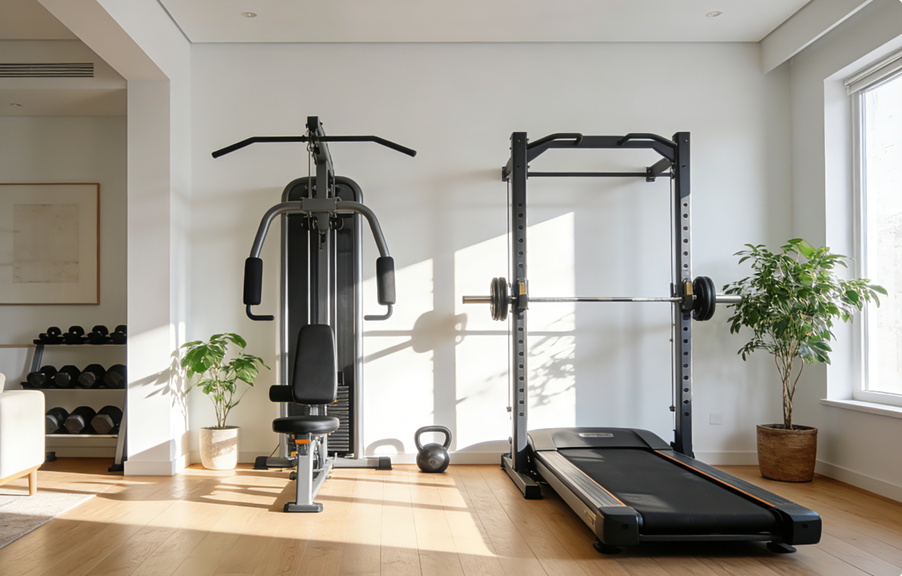
This is why many people choose to start with home gym equipment that is simple, accessible, and easy to use.
The goal isn’t to build a full gym it’s to create a space where starting feels easy.
Keeping Workouts Short and Effective
One of the most common mistakes beginners make is trying to do too much.
Long sessions often lead to fatigue and inconsistency.
Short workouts 15 to 25 minutes are more effective for building a habit.
They reduce mental resistance, fit into daily schedules, and make it easier to repeat.
Over time, these shorter sessions create momentum.
How Progress Feels in the Early Stages
Progress doesn’t always look dramatic at the beginning.
Instead, it often feels subtle:
- movements become smoother
- exercises feel more controlled
- confidence gradually increases
These changes are important.
They build the foundation for more advanced training later on.
Avoiding Common Beginner Mistakes
Many beginners fall into similar patterns:
- changing routines too often
- focusing on intensity instead of consistency
- comparing themselves to more experienced individuals
Avoiding these mistakes is key.
Sticking to a simple plan and allowing time for improvement leads to better results.
Conclusion: Start Simple, Stay Consistent
The best home workouts for beginners aren’t the most advanced they’re the most sustainable.
By focusing on simple movements, choosing the right weight, and creating a routine that fits into daily life, beginners can build habits that last.
Home workouts provide a practical starting point because they remove unnecessary barriers and allow progress to happen at a comfortable pace.
And once that routine is in place, fitness stops feeling like something difficult to start and becomes something that naturally fits into everyday life.
